

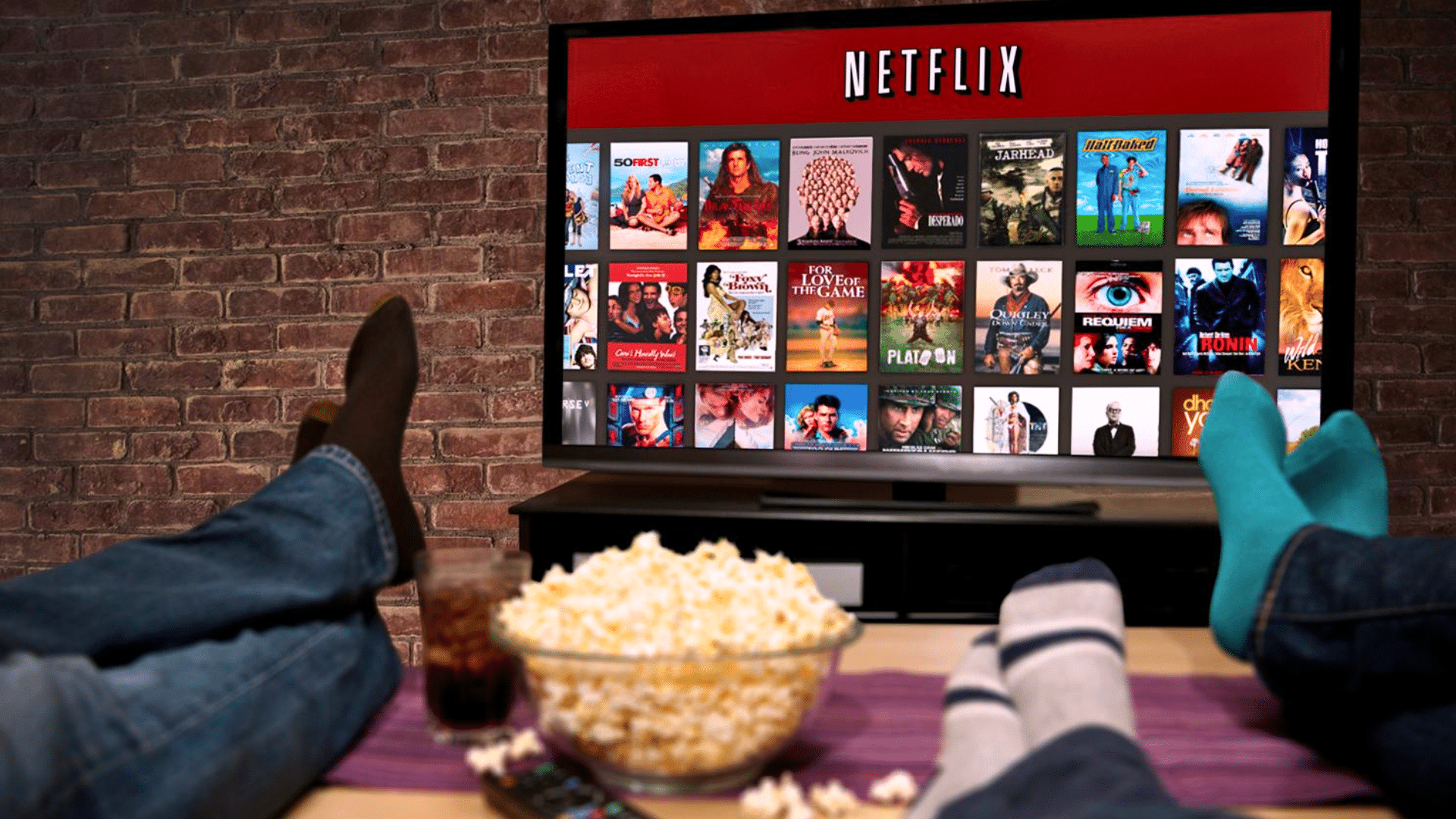
The way we watch movies has transformed dramatically in the last decade, and the biggest driver of this change is the rise of streaming platforms. Services like Netflix, Amazon Prime Video, Disney+, Hulu, and many others have reshaped viewing habits, movie distribution, and even how films are produced. Here’s a look at the major ways streaming is changing the movie experience.
1. Convenience and On-Demand Viewing
One of the biggest advantages of streaming is instant access. Viewers no longer have to wait for cinema schedules, TV broadcasts, or DVD releases. With just a few taps, you can watch any film at your own pace, pause and resume anytime, and even switch devices seamlessly.
2. Decline of Traditional Cinemas
While cinemas still hold their magic—especially for blockbuster releases—streaming has significantly reduced theater attendance. More people prefer the comfort of their homes, especially after the pandemic accelerated at-home entertainment habits. Many studios now release films directly on streaming platforms, bypassing cinemas entirely.
3. Personalized Recommendations
Streaming platforms use algorithms to analyze your viewing habits and suggest movies tailored to your interests. This has made it easier for viewers to discover films they might never have found otherwise. Personalized homepages have replaced browsing movie shelves.
4. Rise of Original Content
To stand out in the crowded market, streaming platforms are investing heavily in original movies and series. These productions often compete directly with Hollywood releases and have even won major awards like Oscars and Golden Globes. This shift has created more opportunities for filmmakers and actors worldwide.
5. Global Movie Access
Streaming has erased geographical barriers. A viewer in Nigeria can watch a Korean film the same day someone in Canada does. This global access is helping international movies gain popularity and encouraging cultural exchange.
6. Flexible Viewing Options
Whether it’s smartphones, smart TVs, tablets, or laptops, streaming lets you watch movies anywhere. This mobility has made entertainment more flexible, allowing viewers to fit movies into their daily routines—during travel, lunch breaks, or late-night watching.
7. Changing Movie Length and Format
Because streaming platforms aren’t restricted by cinema scheduling, creators have more freedom. Movies can be shorter, longer, or split into series-like episodes. Documentary films, limited series, and experimental formats are now more common.
8. Data-Driven Filmmaking
Platforms use viewer data to understand what audiences enjoy. This influences the type of movies produced—genres, themes, and even casting decisions are often shaped by analytics. While some argue this limits creativity, others believe it makes movies more audience-friendly.
Conclusion
Streaming platforms have not only changed where we watch movies, but also how they’re made, distributed, and discovered. As technology evolves, so will our viewing experiences—with even more personalization, interactivity, and global content on the horizon. What remains clear is that streaming has become an essential part of modern movie culture.