

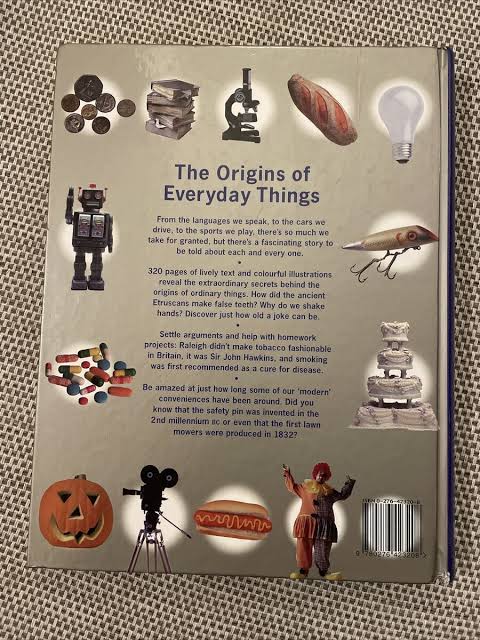
We use countless objects every day without giving much thought to where they came from. Yet behind many everyday items lie surprising stories—stories of accidents, ancient inventions, cultural traditions, and brilliant moments of discovery. Here are some ordinary things with truly fascinating origins.
1. The Fork — Once Considered Scandalous
Today, the fork is an everyday utensil, but when it was introduced to Europe in the 11th century, people found it strange and even sinful.
Early users were mocked for refusing to eat with their hands, which was the norm. Over time, nobility embraced it, and by the 18th century, the fork became a symbol of refinement.
2. Bubble Wrap — Invented as Wallpaper
Bubble wrap wasn’t made for packaging at all.
It started as textured wallpaper in the 1950s, but the idea failed. Years later, the inventors realized the trapped air made it perfect for protecting products, and the modern packaging material was born.
3. Tea Bags — A Mistake Turned Global Habit
Tea bags were created accidentally when a tea merchant sent samples in small silk bags.
Customers assumed they were meant to be dipped directly into hot water—and loved the convenience.
This mistake sparked the multi-billion-dollar tea bag industry.
4. High Heels — First Worn by Men
Before becoming a fashion staple for women, heels were worn by Persian soldiers in the 10th century.
The elevated heel helped them stand securely in stirrups while riding.
European aristocrats later adopted heels to appear taller and more powerful.
5. The Microwave — Invented Because of a Melting Chocolate Bar
Engineer Percy Spencer discovered microwaves by accident when the chocolate bar in his pocket melted near a magnetron (a device that produces microwaves).
His curiosity led to the creation of the first microwave oven—revolutionizing kitchens worldwide.
6. The QWERTY Keyboard — Designed to Slow You Down
The layout wasn’t created for speed; it was created to prevent early typewriters from jamming.
By spacing out commonly used letters, typists were forced to slow down.
Despite modern computers not having this issue, the layout stuck and became the global standard.
7. Umbrellas — Inspired by Ancient Fashion
The first umbrellas weren’t for rain—they were for blocking the sun.
In ancient Egypt and China, umbrellas signified royalty and were beautifully decorated.
Only centuries later did people begin using them as protection from the rain.
8. Jeans — Made for Miners, Not Fashion
Originally designed as durable workwear for miners and laborers, jeans were created from tough denim that could withstand rough conditions.
Today they’re one of the most universal pieces of clothing on the planet—all from a practical 1800s invention.
9. The Alarm Clock — Couldn’t Be Set for Any Time
The earliest alarm clocks could only ring at one time: 4 a.m.
Invented in ancient Greece, the device used water levels to trigger sound.
Customizable alarms didn’t appear until the 19th century.
10. Post-it Notes — Born From a “Failed” Glue
Scientists attempting to create strong adhesives ended up making a glue that barely stuck.
It seemed useless—until someone realized it was perfect for notes you want to stick, peel off, and move around.
Final Thoughts
Everyday objects aren’t always as simple as they seem. Many come from accidents, ancient cultures, unexpected uses, or clever reinventions.
These origins remind us that even the most ordinary things can have extraordinary stories behind them.